
What's ahead for logistics tech in 2026?
Here's what to watch...
LOGISTICS AND SUPPLY CHAIN
Kate Narey
12/17/20253 min read
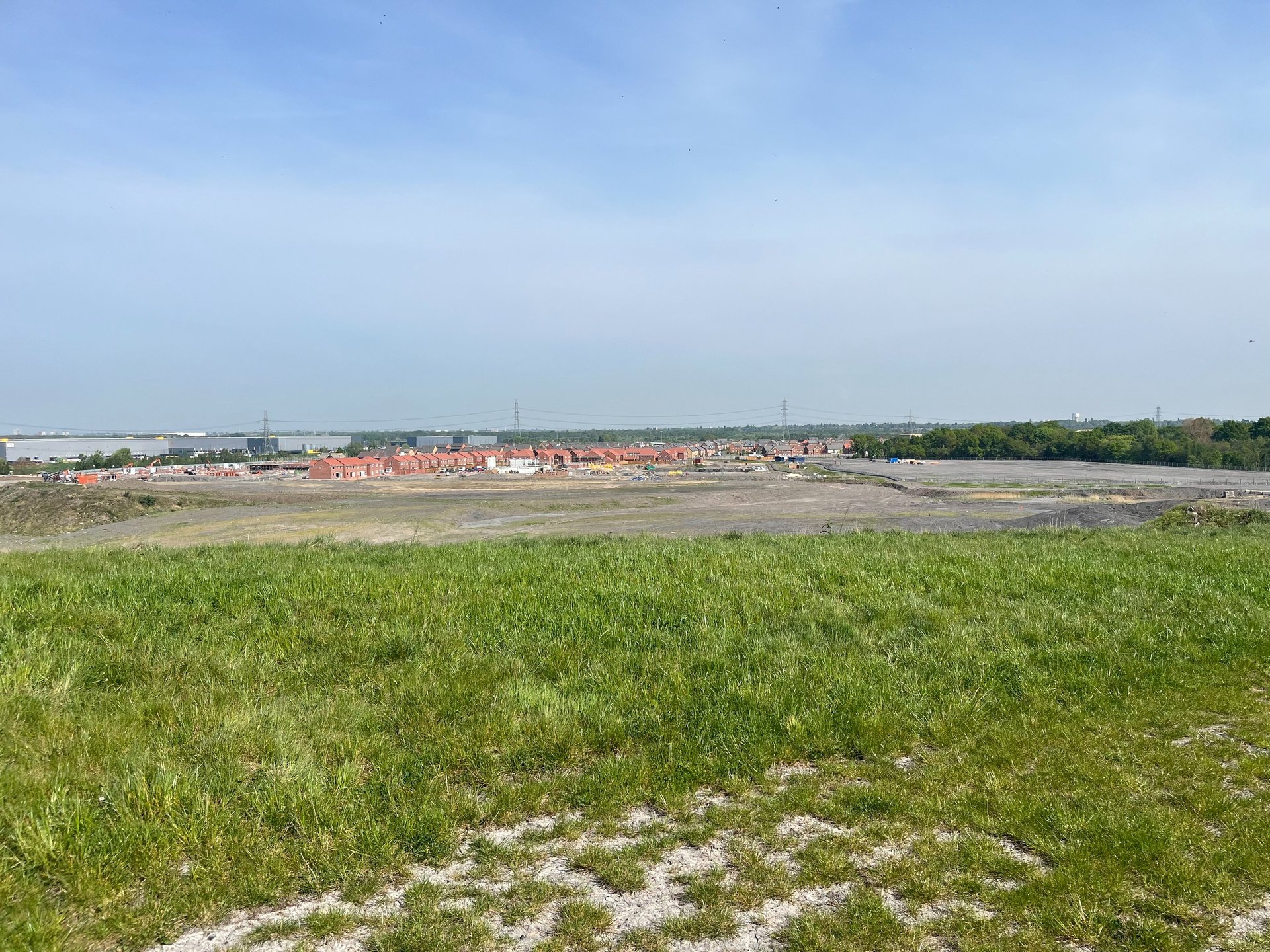
As we close out 2025, I wanted to share what I'm seeing on the horizon for the year ahead and the challenges that will shape how logistics companies operate in 2026.
AI and automation: powerful but imperfect
AI is moving beyond suggestions and can now act independently in many operational scenarios, from adjusting delivery routes to managing inventory. The AI in supply chain market is jumping from $14 billion in 2025 to $50 billion by 2031, which is roughly 23% annual growth.
But the reality is that these tools are not flawless. Systems glitch, data sets have gaps, and algorithms miss inconsistencies that experienced humans catch immediately. Success in 2026 will be less about replacing humans with AI and more about using a combination of AI insights and human oversight to catch what the technology misses.


Cybersecurity: no longer optional
With warehouses becoming increasingly digital, cyber threats are more sophisticated and frequent. The transport sector remains one of the EU's top three cyber targets, and maritime ransomware incidents are growing 467% year on year.
The stakes are high, as supply chain software attacks can tamper with trusted software updates to spread malware widely. Without a doubt, cybersecurity will be a competitive differentiator in 2026.
Climate and regulation tightening
Regulation has become the invisible architecture of logistics, with EU climate standards, heavy-duty CO₂ requirements, and expanding low-emission zones pushing delivery toward digital, low-carbon operations. Companies will face stricter ESG disclosure requirements and growing pressure to demonstrate ethical, sustainable, and resilient supply chains.
The ability to produce detailed, auditable data on shipments and emissions is now becoming a requirement for winning contracts.
The labour challenge persists
Last year, it was reported that 76% of supply chain and logistics decision-makers are facing notable workforce shortages. Transport and warehouse operations are suffering the most from a lack of workers. Labour shortages and rising costs persist, and some warehouses are turning to AI adoption to remain agile.
But artificial intelligence won't solve everything. The human element remains essential, especially when it comes to judgment, adaptability, and problem-solving. And when systems fail, workers are needed to pick up the pieces.
Economic uncertainty and resilience
Shrinking trucking capacity is expected to drive double-digit freight rate hikes in 2026, making transportation an even larger share of total supply chain expenditures. Combined with ongoing geopolitical tensions and trade volatility, companies will need built-in flexibility and contingency planning to maintain continuity.
What this means for you
2026 will separate the companies that view these challenges as problems from those that see them as opportunities. The winners will be the ones who invest strategically in technology while recognizing that the human element isn't just optional. It's essential.
I'm excited to be helping companies navigate these challenges throughout 2026. If these insights resonated, join my mailing list. I send occasional updates on B2B trends, challenges, and practical advice. No spam, no sales pitches, just useful content when I have something worth sharing.
Wishing you all a brilliant Christmas break. I'll be back in the office on 5th January. See you in 2026!
Join my mailing list


Enjoyed this? I write about B2B challenges and how to actually solve them. Join my mailing list to get these insights straight to your inbox, minus the corporate jargon.

